

Digital Imaging and Modern Diagnostics Are Changing How Patients Experience Dentistry

Dental Clinic Dublin 2
Dublin dental practice highlights how advances in diagnostic technology are helping patients better understand oral health conditions and treatment options.
According to Gallagher Dental, a Dublin dental practice in Dublin founded in 1995, modern diagnostic tools are playing an increasingly important role in helping patients visualise their oral health and understand conditions that may otherwise go unnoticed until symptoms develop.
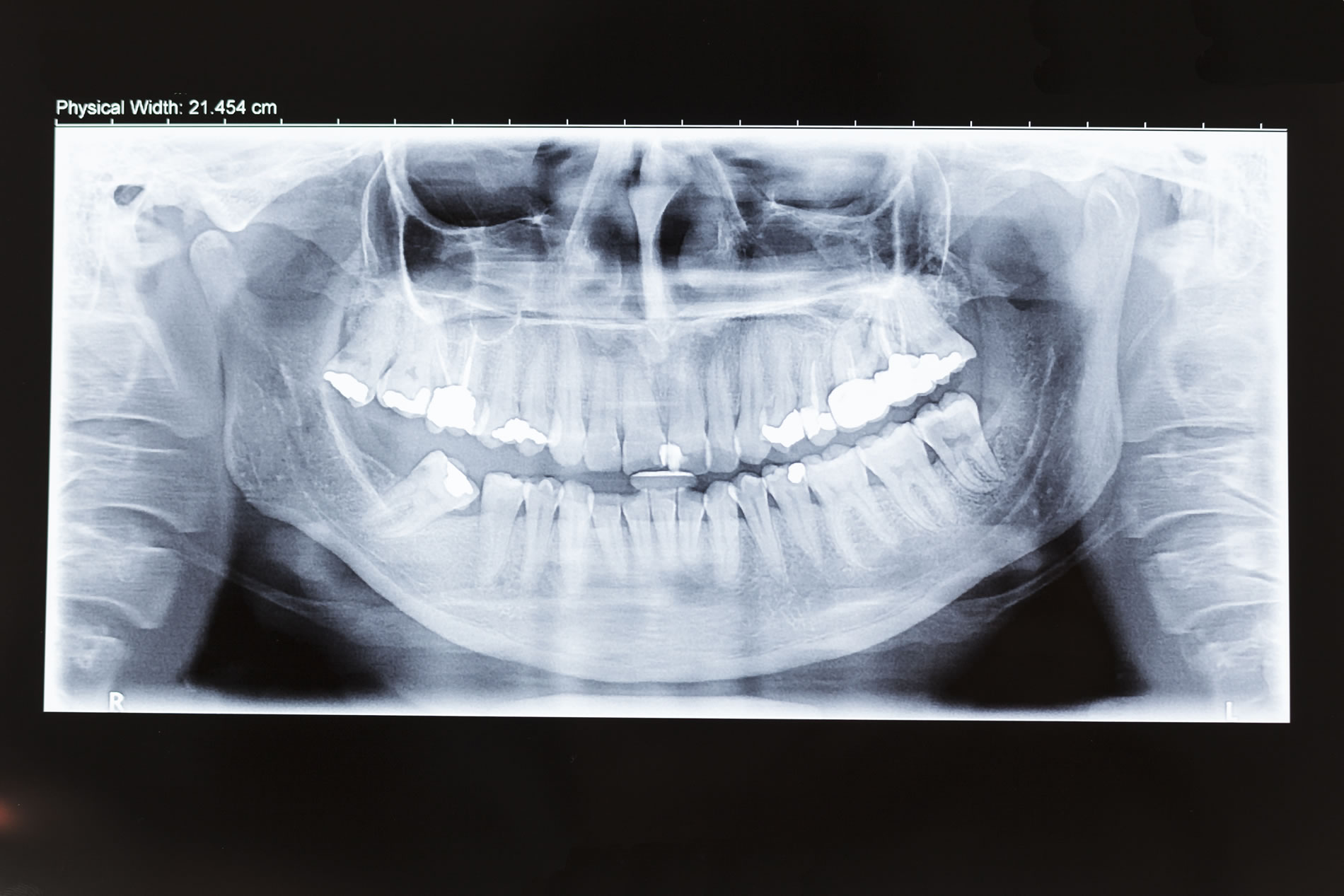
While dentistry has traditionally relied on clinical examinations and conventional X-rays, recent technological developments have expanded the range of information available to both dentists and patients. Digital imaging systems, intraoral photography, enhanced diagnostic tools and modern treatment planning techniques are allowing dental teams to provide a more detailed picture of oral health than ever before.
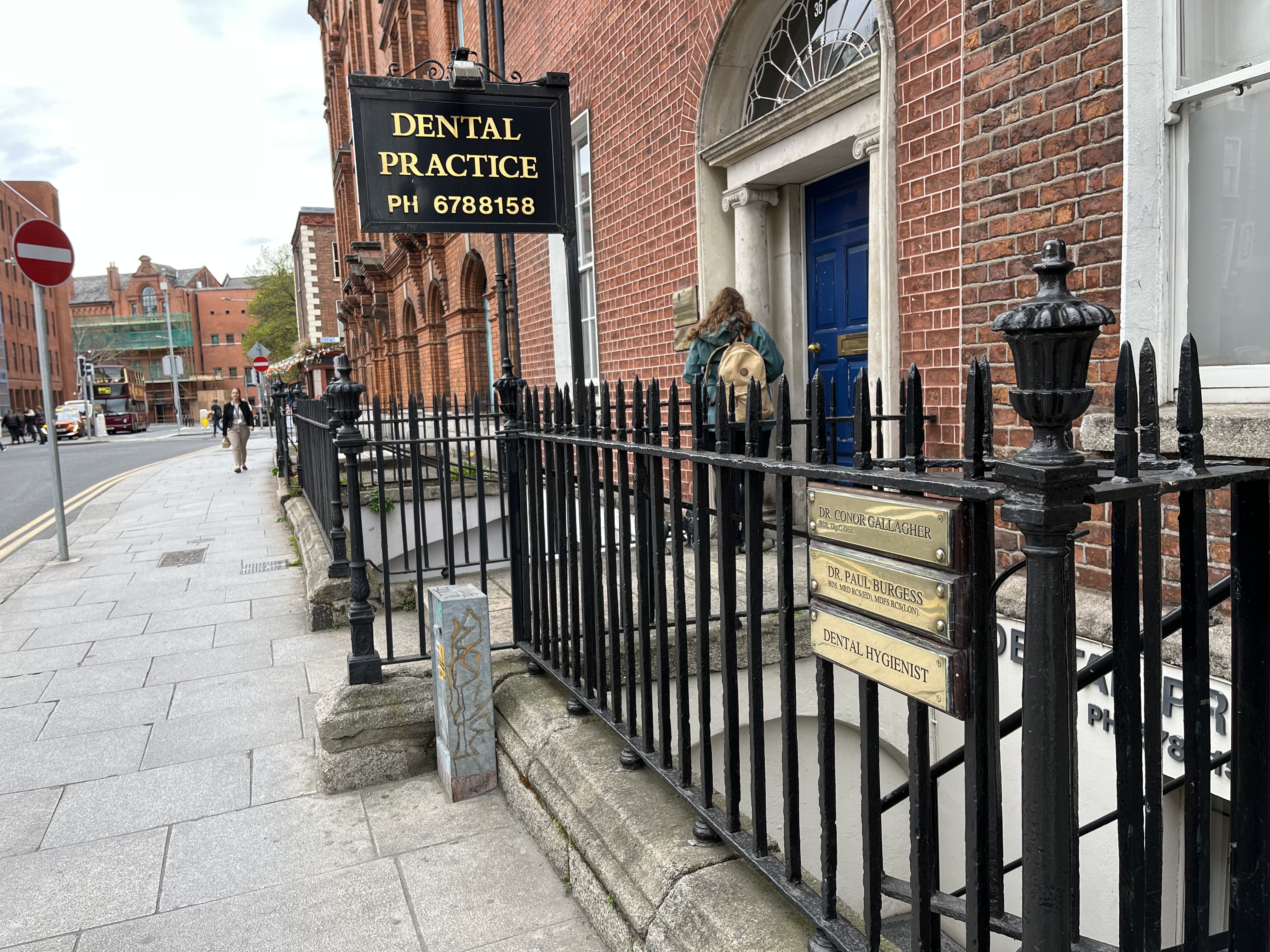
Located at 37 Fenian Street in Dublin 2, Gallagher Dental has provided dental care for patients for nearly three decades. The practice offers a range of services including general dentistry, dental hygiene treatments, laser dentistry, restorative treatments, care for nervous patients and options for replacing missing teeth.
Dr Conor Gallagher, who has more than 30 years of experience in dentistry, believes one of the most significant developments in modern dental practice has been the ability to communicate findings more clearly with patients.
"One of the biggest changes in dentistry over the past decade has been the ability to identify issues earlier and explain them more clearly. Modern diagnostic technology helps patients see and better understand their oral health, allowing them to make informed decisions about their care."
Industry professionals note that early diagnosis remains one of the most important factors in maintaining long-term oral health. Many dental conditions, including tooth decay, gum disease and tooth wear, may develop gradually and without obvious symptoms in their early stages.
Modern diagnostic technology can help identify potential concerns before they become more complex, potentially reducing the need for more extensive treatment in the future. This approach aligns with a growing emphasis on preventative dentistry and long-term oral health management.
The ability to visually demonstrate oral health conditions is also changing the patient experience. Rather than relying solely on verbal explanations, dental professionals can increasingly use digital images and diagnostic information to help patients understand what is happening in their mouths and why certain treatment recommendations may be made.
According to Gallagher Dental, this increased transparency can improve communication and encourage patients to become more engaged in their own oral health.
The growing role of technology in dentistry reflects wider developments across healthcare, where patients increasingly expect access to information, visual explanations and collaborative decision-making regarding treatment options.
Dental technology has also improved treatment planning in areas such as restorative dentistry and tooth replacement. For patients who have missing teeth, modern diagnostic tools can assist with assessment and planning, helping clinicians evaluate treatment options and discuss potential outcomes in greater detail.
Tooth loss remains an important oral health issue. Missing teeth can affect chewing, speech, confidence and overall oral function. Advances in diagnostic technology allow dentists to assess oral structures more accurately and support treatment planning for suitable patients considering replacement options.
At the same time, digital tools are helping clinicians monitor changes in oral health over time. By comparing images and records from different appointments, dental professionals can identify progression, evaluate treatment outcomes and support ongoing preventative care.
Gallagher Dental says this approach is particularly valuable for patients interested in maintaining long-term oral health. Regular examinations, professional hygiene care and early intervention remain central components of modern dentistry, but technology can provide additional information that supports these processes.
The practice also notes that patient expectations have changed considerably in recent years. Many patients now want a greater understanding of their oral health and expect to be actively involved in treatment decisions. Technology can help facilitate these conversations by providing visual evidence and detailed diagnostic information.
For nervous patients, improved communication can also help reduce uncertainty. Understanding what a dentist can see and why a recommendation is being made may contribute to a more comfortable and informed experience.
While technology continues to evolve, dental professionals emphasise that it does not replace clinical expertise. Diagnostic tools provide valuable information, but interpretation, treatment planning and patient care continue to depend on professional judgement and experience.
As digital dentistry continues to develop, practices across Ireland are exploring ways to integrate technology into patient care while maintaining a personalised approach. According to Gallagher Dental, the goal is not simply to adopt new technology, but to use it in ways that improve understanding, communication and long-term oral health outcomes.
"Technology provides valuable information, but dentistry remains fundamentally about people. The most effective approach combines modern diagnostic tools with experience, clinical judgement and clear communication so patients can make informed decisions about their oral health."
Further information about Gallagher Dental is available at:
https://gaadental.com
About Gallagher Dental
Gallagher Dental is a Dublin-based dental practice located at 37 Fenian Street, Dublin 2. Founded in 1995, the practice provides general dentistry, dental hygiene services, laser dentistry, restorative treatments, care for nervous patients and solutions for missing teeth. Led by Dr Conor Gallagher, the practice focuses on delivering personalised dental care supported by modern technology and clinical experience.
Dr Conor Gallagher
Gallagher Dental
+353 1 678 8158
email us here
Visit us on social media:
LinkedIn
Instagram
Facebook
YouTube
X
Gallagher Dental -37 Fenian St, Dublin, D02 Y497, Ireland
Legal Disclaimer:
EIN Presswire provides this news content "as is" without warranty of any kind. We do not accept any responsibility or liability for the accuracy, content, images, videos, licenses, completeness, legality, or reliability of the information contained in this article. If you have any complaints or copyright issues related to this article, kindly contact the author above.
